
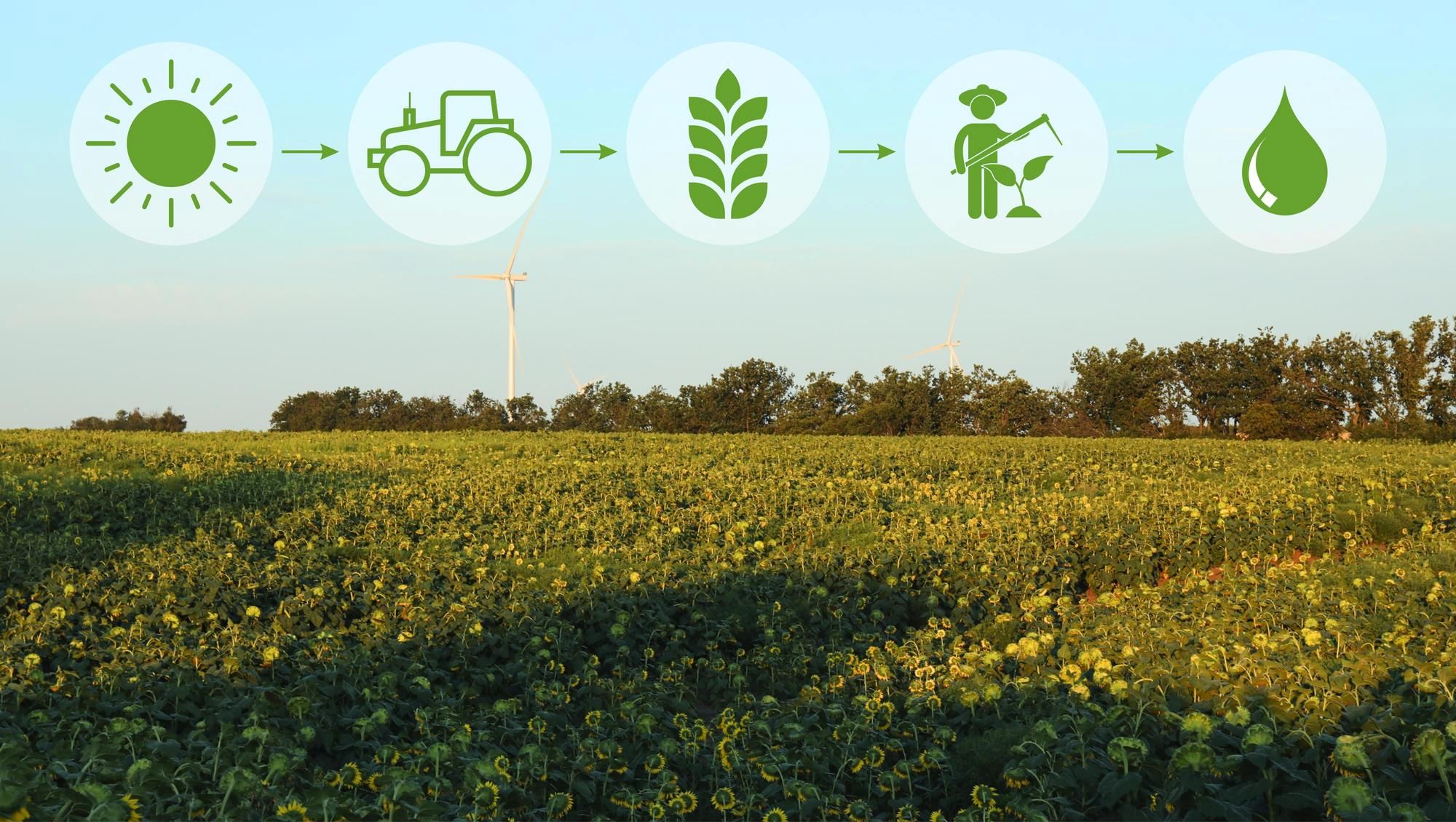
Greening the Agricultural Value Chains
-
by
 quercusgroup
 quercusgroup
Description of project
In order to promote green growth at the local level a variety of vehicles and partnerships models are needed to spearhead a more sustainable use of county resources and assets. Fostering broad collaboration between the county, the private sector, institutions, academia and farmer cooperatives offer a fertile ground to build and coordinate value chain activities that accommodate local bottlenecks. These include, among others, high production costs, changing weather patterns, post-harvest losses, over-production, rainwater dependency and lack of value addition
Quercus Group Kenya limited was contracted by MESPT to engage with counties to realize green growth and agricultural innovations by facilitating Danish SME investments within agribusiness, water and energy. This was to be done through a collaboration with counties and the private sector to address these ongoing and pressing issues by identifying important market gaps, needs for value addition along with how local service providers can tap into these business opportunities generate the necessary upgrading of local production systems, consolidating their outputs in bulk storage facilities and improving labour quality and efficiency through new technologies and know-how.
Type of services provided
Quercus Group was tasked with the following;
Data Collection: perform research and conduct interviews with selected stakeholders to identify local productions gaps, technology needs and bottlenecks. This data was turned into a county strategy document, with recommendations for Danish SME partnerships and investments, followed by a roadmap on how to ensure job-creation, local entrepreneurial activities, service provision and improved food security.
Mobilizing Danish SME Consortia: Within agribusiness, water and cleantech with technologies that are mutually complementary and enforcing. The identified SMEs were grouped in accordance with sectors, market demand and the conceptualized road-map.
Multi-Stakeholder Workshops: We brought in a variety of stakeholders together across branches, industries, markets and sectors to consolidate value chain activities. This large workshop consisted of country representatives, the identified SME consortia, investors, academia, institutions, development funds, cooperatives and other service providers which ensured that all issues, challenges, interests and needs were accommodated. This workshop promoted trust and relationships building between stakeholders, through networking and matchmaking sessions.
Project Preparation Phases: We formalized the collaboration based on a PPP agreement highlighting responsibilities, roles, financial agreements, project implementation phases and objectives. In addition, a constant dialogue was held with counties and other stakeholders to ensure value chain coordination and proper management.
Development of a Distribution Centres for Farmers: Central to the development of value chains are local distribution centres where bulk production facilities enable procurement, certification, packaging and standardization of produce.
Coming up with a financial model that will be complemented by all stakeholders.